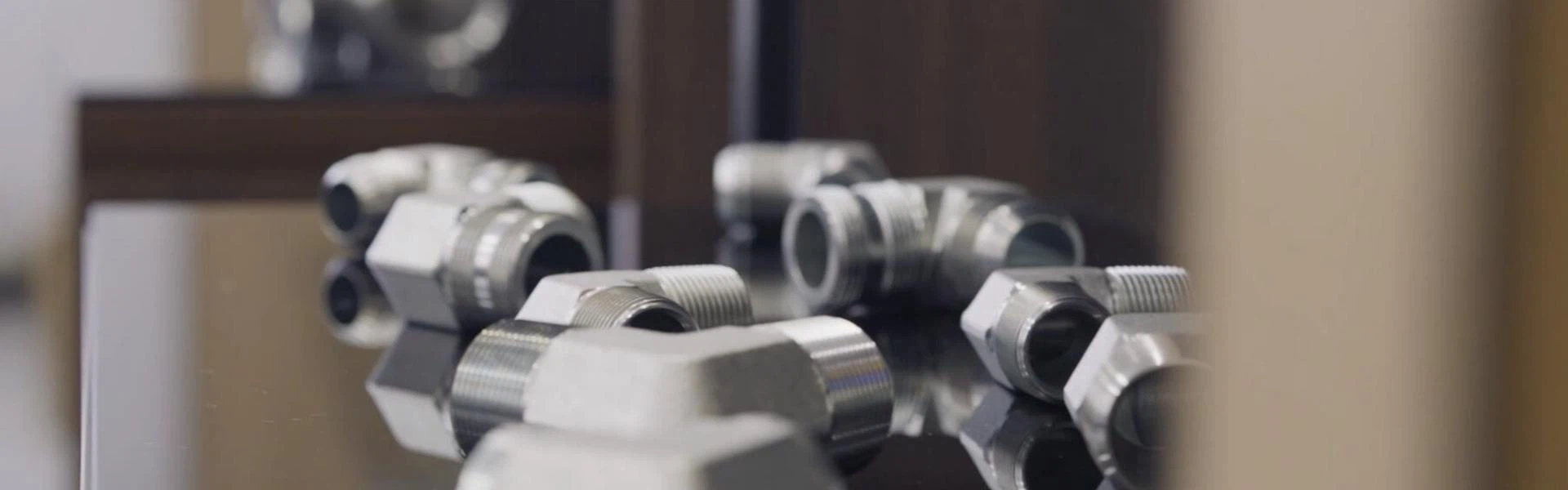
Stainless Steel SAE Adapter

Why Choose Us?

High Standard Products

Founded in 2004, NINGBO NJ HYDRAULIC ADAPTER CO.,LTD specializes in manufacturing hydraulic adapters, hydraulic fittings, hose fittings, flange adapters, split flange kits, reusable hose fittings, ferrules, caps & plugs, nuts and sell to worldwide.

Custom Service

Our history of collaboration with our customers for specially designed hydraulic applications, has established NJ hydraulic adapter as an industry-preferred source for customer-specific manufactured adapters.


Wide Range of Applications

We are proud to serve major markets including: Construction, agriculture, mining, industrial equipment and more.


Large Inventory

NJ have large inventory for storage adapters and fittings in 10000 SMQ. From the time we receive your order until it arrives at your facility, we're committed to meeting your deadlines and delivery requirements.


Definition of Stainless Steel SAE Adapter


The Stainless Steel SAE Adapter converts from a male NPT thread to a male SAE thread. They are made from 304 stainless steel, and come with a polished finish. The Stainless Steel SAE Adapters are available in many sizes, so be sure to choose the size you need above.


Benefits of Stainless Steel SAE Adapter

Material Benefits

The combining of corrosion resistance with high strength allows the reduction in wall thickness and weight. Stainless steel is resistant to heat and chemical damage. It can withstand very high flow rates - in excess of 40m/s, making it capable to withstand long-term exposure to the elements in almost any environment.

Environmental Benefits

Stainless steel can be used in all types of water, including drinking water in public supply. It has an excellent resistance to the full range of potable waters, including various chloride levels. At the end of its useful life, stainless steel is fully recyclable and retains a higher residual scrap value than ordinary steel.

Economic Benefits

Stainless steel is low maintenance and requires no additional coating, in both indoor and outdoor applications. The expected lifespan of a stainless steel system is more than 50 years, reducing system down time, replacement and maintenance costs over the life of the installation.


Applications of Stainless Steel SAE Adapter

The Stainless Steel SAE Adapters are a unique way of crimping fittings onto stainless steel cold drawn seamless tubing without special tools. The two ferrules are swaged onto the tube via rotation of the nut, and once installed correctly will give you a leak-tight high-pressure seal.


Stainless Steel SAE Adapter come in the following types (and more) to suit all applications:


  • Tube Unions

Reducing Tube Unions

Tube Union Elbows

Tube Bulkhead Unions

Tube Union Tees

Male Connectors

Female Connectors

Male Elbows

Female Elbows

Male Bulkhead Connectors

Female Male Bulkhead Connectors

Male Adaptors

Male Branch Tees

Female Branch Tees

Ferrule Sets


How Stainless Steel SAE Adapter Grades Work?

Stainless steel refers to a vast selection of steel alloys that contain at least 10.5% chromium. A few of the most popular grades of stainless steel are 304, 316, and 430—the first digit signals the family and the last two indicate type. Each grade contains varying levels of alloying elements that contribute to its corrosion resistance, flexibility, weldability, strength, magnetism, and other physical and mechanical properties. Common alloying elements include silicon, carbon, nickel, manganese, and molybdenum.

Stailess Steel JIC Swivel Branch Tee
Stainless Steel Flare Sleeve-37°
Stainless Steel Standard ORFS Tube Nut
Stainless Steel Hydraulic Adapters

Stainless Steel Grades
Based on the ratios of different metals in the alloy, there are four main types of stainless steel: austenitic, ferritic, duplex, and martensitic.


Austenitic Stainless Steel
Austenitic stainless steel primarily contains chromium and nickel, though some grades also contain magnesium and molybdenum. These combinations provide excellent resistance to creep and corrosion. The most popular grades are 303, 304, 310, 316, 316L, and 321.
SSP primarily manufactures 316 and 316L stainless steel. Both contain about 2-3% molybdenum as an alloying element, which helps the metals resist corrosion from chloride and other chemicals. However, 316L has a lower carbon content—no more than 0.03%—that helps prevent carbon precipitation during welding applications. 316 stainless steel contains as much as 0.08% carbon.
Both grades are ideal for leakproof, corrosion-resistant tube fittings in critical applications, such as the aerospace, defense, automotive, petrochemical, maritime, and public utility industries. Our line of industrial tube fittings are uniquely designed to provide tight, reliable seals in corrosive environments. Our instrumentation tube fittings come in three models, each of which can be interchanged and mixed with other fittings in most analytical instrumentation applications.


Ferritic Stainless Steel
Ferritic stainless steel contains some combination of chromium, niobium, molybdenum, and/or titanium. This family of stainless steel is extremely tough and highly resistant to corrosion and creep. Magnetic, weldable, and cost-effective, these alloys are commonly used in the production of dishwashers, kitchen sinks and food processing equipment. Common grades of ferritic stainless steel include 409 and 430.


Duplex Stainless Steel
Combining the properties of the austenitic and ferritic families, duplex stainless steel possesses good formability and weldability. Depending on project requirements, customers often order grades such as 318L, LDX 2101, LDX 2304, 2507, and 4501.


Martensitic & Precipitation Hardening Stainless Steel
Martensitic stainless steel is less commonly used compared to other families. Nevertheless, they are ideal for applications that require hardened, precise edges and high strength. These alloys retain their magnetic properties and corrosion resistance after hardening. Frequently used martensitic and precipitation hardening grades include 410 and 420.


How to Measure Stainless Steel SAE Adapters?

The Stainless Steel SAE Adapters usually have a 30-degree chamfer on the male thread and a 30-degree cone seat inside the female thread. The parallel threads can be sealed or connected using an O-ring, a bonded washer, or an elastomeric sealant so that it can be used for port application.


You can identify a BSPP thread adapter by going through the following steps:


  • Look closely and check whether the threads are tapered or parallel


  • Use a thread gauge or calipers to check the threads per inch count


  • Use calipers to distinguish the male thread (O.D) from the female thread (I.D)


  • Sum up your O.D and I.D measurements


  • Use the sum of your O.D and I.D measurements and your thread per inch count to find the correct BSPP thread adapter by using the specification chart.


  • Use the seal or the angled sealing surface to determine which British threaded adapter will be a perfect fit for you.


How to Seal Stainless Steel SAE Adapters ?


The best methods in how to properly seal hydraulic fittings are:


On NPT, JIC and other all-metal fittings: Thread sealant helps prevent rotation and leakage on these high-pressure fittings. It seals hydraulic fittings at the mating surfaces by filling surface imperfections and scratches, withstanding pressures to 10,000 psi (690 bar) and enduring operating temperatures of -65°F (-54°C) to 300°F (149°C).


Teflon tape can be used in certain conditions for sealing hydraulic fittings styles, primarily on NPT threads where sealing tapes create a leak-free seal.


However, if not wound properly (clockwise), the tape can introduce contamination into the system. Teflon tape should not be used to seal certain hydraulic fittings, including:


NPTF (National Pipe Thread Fuel) which forms a secure mechanical seal by essentially crushing the entire thread form-- another good reason not to disconnect and reconnect this type of fitting. Instead, replace it during maintenance.


JIC Fittings, due to the 37-degree cone, which creates the seal with the mating female. Teflon tape can even gum up and enter the fluid, causing contamination.


Other fittings with a bonded washer or other metal-to-metal seal compression fittings should not use Teflon tape, except for compression to male NPT, where the NPT end is permissible for tape.


How to seal hydraulic fittings when using O-ring boss and O-ring face seal fittings? The O-ring, of course!


There are basic principles in how to seal hydraulic fittings. In short, it's okay to use Teflon tape on NPT threads and Loctite 5452 thread sealant on NPT or JIC fittings. However, there is no need to use any type of sealant on JIC 37-degree flare fittings and most O-ring connections.


Materials of Stainless Steel SAE Adapter
 

Four common metal materials used for fittings are carbon steel, stainless steel, brass, and aluminum:

Carbon Steel

Carbon steel is durable, strong, and maintains a high resistance to heat. An alloy of iron and carbon, carbon steel hydraulic fittings are lower cost and frequently used in the agricultural, industrial, and construction sector because of their affinity to high pressure, high strength environments.

Stainless Steel

Stainless steel displays the same strength and durability of carbon steel while also providing excellent corrosion resistance. It's considered the most suitable material for hydraulic fitting applications where the fluids and/or external environments are highly corrosive. At low pressure specifically, stainless steel is your best bet.

Brass

Brass has a moderate strength level with good corrosion resistance in lower pressure situations. This kind of refined metal is typically used for smaller compression and threaded fittings. It is not recommended for temperatures higher than 400 degrees as it becomes soft and loses strength.

Aluminum

Aluminum is light weight and corrosion resistant. It's commonly used in low density, low pressure applications and can be alloyed with zinc, copper, silicon, etc. to improve strength. Aluminum can handle a higher pressure than brass and is a good choice for lightweight applications.


Common Applications for Stainless Steel SAE Adapters
 

Oil & Gas and Chemical Processing

Hydraulic applications in the oil & gas and chemical processing market require fittings which are designed for demanding conditions. From salt spray on offshore rigs in the north sea, to refineries, and the processing of caustic chemicals, stainless steel is the predominant choice of material in fittings and valves.
Whatever material is being transported; oil, various chemical combinations or other substances, stainless steel outperforms most other materials. The oil & gas, and chemical processing industries are naturally corrosive environments and can experience extreme temperatures and harsh conditions. That's why stainless steel is used throughout these markets. Other exotic materials such as Monel alloys are used in oil and gas exploration where components will be exposed to “down hole” environments of elevated temperature combined with high hydrogen sulfide concentrations. Monel is used in these so called “sour wells” as the conditions prove rapidly degrading to stainless steels. However, Monel is much more expensive than stainless and used only when conditions require.

Food Processing & Brewery Equipment

The manufacturing and processing of foods and beverages, as well as alcoholic beverages, utilizes specialty manufacturing, processing, and packaging equipment that are required to withstand high temperatures and transportation of liquids through the system while staying hygienic. The equipment must also be easy to clean and disinfect during change over or before introducing a new product to the system. The cleaning process is vital to protecting against the growth of bacteria and other pathogens.
In order to withstand heat, resist pitting, cracking, potential corrosion and for ease of cleaning, stainless steel fittings, adapters and tubing are used when carrying food materials or beverages. Plus, stainless steel is achromatic to foods, so it does not affect the taste, smell or color of foods and beverages.

Pharmaceuticals

Equipment and components such as fittings used in the pharmaceutical industry often come into contact with high temperature, high pressure, and corrosive chemicals, and must also endure recurrent and intense cleaning treatments. According to the FDA: “Equipment shall be constructed so that surfaces that contact components, in-process materials, or drug products shall not be reactive, additive, or absorptive so as to alter the safety, identity, strength, quality, or purity of the drug product beyond the official or other established requirements.”
Because stainless steel easily withstands these conditions and requirements and is extremely hygienic it is the primary fitting and tubing material used in pharmaceutical R&D and manufacturing.

Other Industry Applications

There are many other industries that rely heavily on stainless steel fittings and components, including textiles, water treatment plants, ship building & marine equipment, mining and more. There enhanced corrosion resistance extends the service life of equipment and the temperature ratings for 304 stainless of 800°F (427°C), or 316 stainless steel of 1,000°F (538°C) along with its toughness in harsh conditions makes stainless the ideal choice in many industries and applications. Pressure ratings of industrial stainless steel fittings are often rated to 10,000 PSI, and for specialty applications can be designed for up to 20,000 PSI.


Our Factory


Founded in 2004, NINGBO NJ HYDRAULIC ADAPTER CO.,LTD specializes in manufacturing hydraulic adapters, hydraulic fittings, hose fittings, flange adapters, split flange kits, reusable hose fittings, ferrules, caps & plugs, nuts and sell to worldwide. We are proud to serve major markets including: construction, agriculture, mining, industrial equipment and more.

产品类别-1-1


NJ have large inventory for storage adapters and fittings in 10000 SMQ. From the time we receive your order until it arrives at your facility, we're committed to meeting your deadlines and delivery requirements. Our goal is to provide your fittings as fast as possible - when and where you need them - which also helps you keep your Whether you have an emergency or an ongoing need, send us an email. We deliver the fittings you want, along with the quality, service and competitive price you deserve.

productcate-1-1

productcate-1-1

productcate-1-1

productcate-1-1


Our Certificate


productcate-1-1

productcate-1-1


Ultimate FAQ Guide to Stainless Steel SAE Adapter
 

Q: What is a Stainless Steel SAE Adapter?

A: Stainless Steel SAE Adapters are used to connect hydraulic hoses and pipes to pumps, valves, hydraulic cylinders and other parts of the hydraulic system. Hydraulic equipment usually operates under high pressure and is usually not a fixed system.

Q: What is the purpose of Stainless Steel SAE Adapter?

A: A fitting or adapter is used in pipe systems to connect sections of pipe (designated by nominal size, with greater tolerances of variance) or tube (designated by actual size, with lower tolerance for variance), adapt to different sizes or shapes, and for other purposes such as regulating (or measuring) fluid flow.

Q: How to determine Stainless Steel SAE Adapter size?

A: Measuring the Outer Diameter of the thread - place the ID/OD caliper around the threads so as to obtain a snug fit. Measuring the Inner Diameter of the thread - insert the caliper into the fitting so you can obtain the correct measurement, and match it to the data charts provided by the manufacturer.

Q: What is the function of adapter fitting?

A: Adapter is the fitting that are suitable to connect two pipes together. These fittings are available in sizes ranging from 1/8" to 2" in threaded connection of NPT and BSPP. The adapter type includes various thread of male by female adapter, hex nipple and plug.

Q: How tight should a Stainless Steel SAE Adapter be?

A: Once aligned, tighten the nut until it is "firm" against the washer and o-ring, with the nut becoming snug with a feel of metal-on-metal in less than one revolution. Over-tightening causes as many leaks as under-tightening.

Q: Can you over tighten Stainless Steel SAE Adapters?

A: Properly sealing a hydraulic fitting is crucial during assembly. Over-tightening can damage the seal, stripping threads or crushing an O-ring, causing the fitting to crack.

Q: How to torque a Stainless Steel SAE Adapter?

A: Tighten the nut lightly with a wrench (approximately 30 in.lb.), clamping the tube flare between the fitting nose and the sleeve. This is considered the Wrench Resistance (WR) position. Starting from this position, tighten the nut further by the number of flats from the Torque Chart.

Q: What are the basics of Stainless Steel SAE Adapters?

A: Stainless Steel SAE Adapters are specialized connectors used to connect fluid ports in hydraulic systems. These fittings ensure that the fluid transfer path is safe and leak-free and therefore play a vital role in the overall functioning of the system.

Q: Stainless Steel SAE Adapter: What is the difference between fitting and adapter?

A: A fitting is needed for a hose to connect to a pump. An adapter is needed to connect the pump to more than one hose, where each hose may be of a different standard.

Q: What is the standard for Stainless Steel SAE Adapters?

A: BSP – also known as the British Thread Type, is standard fittings adopted internationally for making connections and sealing pipe ends. SAE Straight Thread – a thread type known for its reliability and reusability-has excellent sealing due to its 90-durometer O-rings.

Q: Can you use NPT for Stainless Steel SAE Adapters?

A: Hydraulic Systems: In heavy machinery such as tractors and excavators, NPT fittings are essential components in the hydraulic systems. They ensure secure connections between hydraulic lines, contributing to the efficient operation of the equipment.

Q: How to tighten a Stainless Steel SAE Adapter?

A: The process involves manually rotating the fitting until it makes a snug connection with the mating surface. This "hand-tight" approach is often sufficient for many low-pressure applications, making it a popular choice for quick repairs and installations.

Q: How do you identify Stainless Steel SAE Adapters?

A: Step 1: Determine if the thread is tapered or parallel.
Step 2: Determine the pitch.
Step 3: Determine the size.
Step 4: Designate the thread.

Q: Stainless Steel SAE Adapter: What is the difference between L and S fittings?

A: S series fitting is able to work pressure between 315 to 630 bars. L series fitting is able to work at 160 bar or 315 bar pressure. It is subject to outer diameter size. The lowest pressure is 100 bars, which is available for LL series only.

Q: What is the angle of a Stainless Steel SAE Adapter?

A: The two most popular mated angle (flare) hydraulic fittings are JIC 37-degree and SAE 45-degree. JIC 37-degree flare fittings are often used for high pressure applications in off-road and agricultural equipment, such as hydraulic loaders, excavators and tractors.

Q: What is the function of Stainless Steel SAE Adapter?

A: Adapter is the fitting that are suitable to connect two pipes together. These fittings are available in sizes ranging from 1/8" to 2" in threaded connection of NPT and BSPP. The adapter type includes various thread of male by female adapter, hex nipple and plug.

Q: How tight should a Stainless Steel SAE Adapter be?

A: Once aligned, tighten the nut until it is "firm" against the washer and o-ring, with the nut becoming snug with a feel of metal-on-metal in less than one revolution. Over-tightening causes as many leaks as under-tightening.

Q: How do you loosen tight Stainless Steel SAE Adapters?

A: Applying Penetrating Lubricants to Loosen the Hose. Spray the lubricant generously on the connection points and allow it to penetrate for a few minutes. The lubricant will work its way into the tight spaces, reducing friction and making it easier to remove the hose.

Q: What is the knowledge of stainless steel SAE adapters?

A: Stainless steel SAE adapters must attach securely to the equipment and hose and must withstand high pressure and temperatures. Fittings are made in different sizes, materials, types of seals, and temperature and pressure tolerances. Some fittings enable fluid flow, others prevent it, and some are designed to do both.

Q: What are the basics of stainless steel SAE adapters?

A: Stainless steel SAE adapters are specialized connectors used to connect fluid ports in hydraulic systems. These fittings ensure that the fluid transfer path is safe and leak-free and therefore play a vital role in the overall functioning of the system.

Ningbo Nj Hydraulic Adapter Co., Ltd is known as one of the most professional stainless steel sae adapter manufacturers and suppliers in China. Please rest assured to wholesale high quality stainless steel sae adapter made in China here from our factory.

Stainless Steel Flare Sleeve 37 , Stainless Steel 90 Adjustable Stud Elbow, stainless steel hydraulic adapters

(0/10)

clearall