

What is the pressure - bearing capacity of a 90° male elbow in a hydraulic system?
May 27, 2026
What is the pressure - bearing capacity of a 90° male elbow in a hydraulic system?
In the complex world of hydraulic systems, every component plays a crucial role in ensuring the system's efficient and safe operation. Among these components, the 90° male elbow is a vital part that often goes unnoticed but is essential for redirecting fluid flow. As a supplier of 90° male elbows, I am frequently asked about their pressure - bearing capacity. In this blog, I will delve into the factors that determine the pressure - bearing capacity of a 90° male elbow in a hydraulic system.
Material and Manufacturing Process
The material used in the production of a 90° male elbow significantly impacts its pressure - bearing capacity. Common materials include carbon steel, stainless steel, and brass. Carbon steel is known for its high strength and durability, making it suitable for high - pressure applications. Stainless steel, on the other hand, offers excellent corrosion resistance, which is crucial in environments where the hydraulic fluid may be corrosive. Brass is often used in low - pressure applications due to its relatively lower strength compared to steel.
The manufacturing process also plays a key role. Precision machining techniques ensure that the elbow has uniform wall thickness and smooth internal surfaces. This uniformity is essential for distributing pressure evenly across the elbow. Any irregularities in the wall thickness or surface finish can lead to stress concentrations, which may reduce the elbow's pressure - bearing capacity. For example, a poorly machined elbow may have thin spots that are more likely to fail under high pressure.
Design and Dimensions
The design of a 90° male elbow is carefully engineered to withstand pressure. The radius of the elbow's bend is an important factor. A larger radius bend allows for a more gradual change in the fluid's direction, reducing the pressure drop and stress on the elbow. In contrast, a sharp - angled bend can cause turbulence in the fluid flow, increasing the pressure on the inner wall of the elbow and potentially leading to failure.
The dimensions of the elbow, such as the outer diameter and wall thickness, also affect its pressure - bearing capacity. A thicker wall can generally withstand higher pressures. However, increasing the wall thickness also adds weight and cost to the component. Therefore, a balance must be struck between the required pressure - bearing capacity and the overall design requirements of the hydraulic system.
Working Conditions
The working conditions of the hydraulic system have a significant impact on the pressure - bearing capacity of the 90° male elbow. The temperature of the hydraulic fluid is an important factor. High temperatures can reduce the strength of the material, making the elbow more susceptible to failure. In addition, the type of hydraulic fluid used can also affect the elbow's performance. Some fluids may be more abrasive or corrosive, which can degrade the elbow over time.
The frequency and magnitude of pressure fluctuations in the system are also critical. Rapid and large - scale pressure changes can cause fatigue in the elbow material, leading to cracks and eventual failure. Therefore, it is important to consider the dynamic nature of the pressure in the hydraulic system when selecting a 90° male elbow.
Industry Standards and Testing
To ensure the safety and reliability of 90° male elbows in hydraulic systems, various industry standards have been established. These standards specify the minimum requirements for materials, dimensions, and pressure - bearing capacity. For example, standards such as ISO and SAE provide guidelines for the design and testing of hydraulic components.
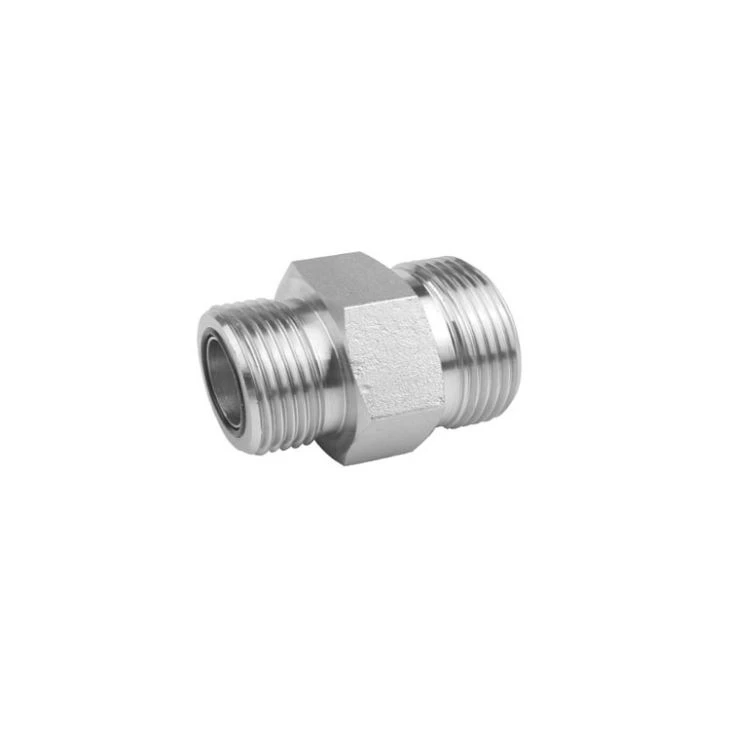

Testing is an essential part of ensuring the quality of 90° male elbows. Pressure testing is commonly used to determine the maximum pressure that an elbow can withstand without failure. During pressure testing, the elbow is subjected to gradually increasing pressure until it reaches its maximum rated pressure or fails. This testing helps to identify any potential weaknesses in the elbow and ensures that it meets the required standards.
Our Products and Solutions
As a supplier of 90° male elbows, we offer a wide range of products to meet the diverse needs of our customers. Our elbows are made from high - quality materials and are manufactured using advanced precision machining techniques. We ensure that each elbow undergoes rigorous testing to meet or exceed industry standards.
In addition to our standard 90° male elbows, we also offer a variety of related products. For example, we have ORFS to Pipe Branch Tee Tube Connector, which is useful for creating branch connections in hydraulic systems. Our ORFS Bulkhead Union 90° Tube Connector is designed for applications where a 90 - degree connection is required through a bulkhead. And our Straight ORFS Union provides a simple and reliable way to connect two straight sections of tubing.
Conclusion
The pressure - bearing capacity of a 90° male elbow in a hydraulic system is determined by a combination of factors, including material, manufacturing process, design, working conditions, and industry standards. As a supplier, we are committed to providing high - quality products that meet the strictest requirements. If you are in need of 90° male elbows or related hydraulic components, we invite you to contact us for more information and to discuss your specific needs. Our team of experts is ready to assist you in selecting the right products for your hydraulic system.
References
- ISO standards for hydraulic components
- SAE standards for hydraulic systems
- Technical literature on materials science and hydraulic engineering