

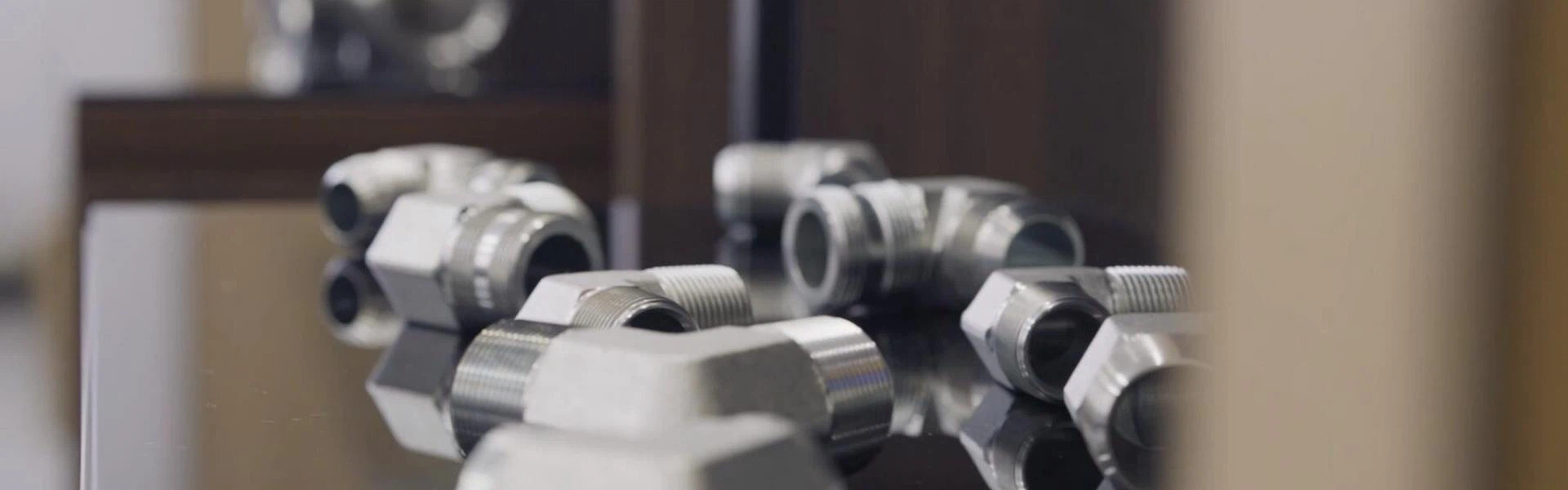
What issues need to be noted when purchasing transition joints
Mar 25, 2024
Purchasing transition joints is an important equipment commonly used in industrial production. During use, we need to pay attention to some issues to ensure safe and efficient industrial operations. The following are the key issues to consider:
1. Choose the appropriate material: The material of the transition joint should comply with industrial standards. It is necessary to achieve characteristics such as high strength, corrosion resistance, and high temperature resistance. Depending on the working environment, it is sometimes necessary to consider other special properties, such as vibration resistance.
2. Appearance inspection: Before purchasing the transition joint, a comprehensive appearance inspection must be carried out. You should check whether the interface is stretched, cracked, and whether there are scratches or wear on the surface.
3. Determine the correct values: When purchasing transition joints, it is important to be very certain about the required length, diameter, angle, and other values. This is to ensure that the joint can perfectly match other devices. At the same time, these values should also be regularly checked to avoid excessive wear and tear that may affect operation.
4. Installation quality: When installing transition joints, attention should be paid to the installation quality. It is necessary to ensure that the joint is fully embedded, loose, and necessary docking is carried out.
5. Maintenance and upkeep: Proper maintenance and upkeep are essential to ensure the long-term operation of the transition joint. Regular cleaning and oiling should be carried out to prevent rusting and loosening, ensuring the safety and service life of the joints.
In summary, for any type of industrial equipment, especially critical equipment such as transition joints, attention should be paid to every detail to ensure optimal results are achieved in the industrial production process. Proper use and maintenance of transition joints can reduce downtime, improve production efficiency, and ultimately achieve better commercial results.


