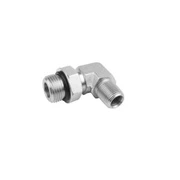
BSP Vs BSPT Which Thread Type Should You Choose
Apr 07, 2026

When choosing between BSP and BSPT threads, consider your specific application needs. BSP threads work well in low-pressure settings, while BSPT threads suit high-pressure environments. Understanding these differences helps you make informed decisions about the right type for your projects, especially in the context of bsp vs bspt.
Key Takeaways
- BSP threads are best for low-pressure applications, while BSPT threads excel in high-pressure environments. Choose based on your project's pressure needs.
- BSP threads use external seals like washers, while BSPT threads create a seal through their tapered design. Always use sealant with BSPT for better leak prevention.
- Consider installation ease and cost. BSP threads are easier to install and often cheaper, making them ideal for general plumbing. BSPT threads are more durable for demanding applications.
Understanding BSP Threads

BSP stands for British Standard Pipe. It is a type of thread used in plumbing and piping systems. You will find BSP threads in many applications, especially in Europe and other regions that follow British standards.
BSP threads come in two main forms: BSPP (British Standard Pipe Parallel) and BSPT (British Standard Pipe Tapered). BSPP threads have a parallel design, meaning they do not taper. This design allows for a seal using a washer or O-ring. On the other hand, BSPT threads taper towards the end. This tapering creates a tighter seal when you screw the fittings together.
Here are some key features of BSP threads:
- Standardization: BSP threads follow specific measurements and angles. This standardization ensures compatibility across different manufacturers.
- Versatility: You can use BSP threads in various applications, including water supply, gas lines, and hydraulic systems.
- Ease of Use: BSP threads are easy to install and remove. You can quickly connect or disconnect fittings without special tools.
When comparing BSP vs BSPT, remember that BSP threads are often preferred for low-pressure applications. They work well in systems where leaks are not a significant concern. Understanding these characteristics helps you choose the right thread type for your needs.
Understanding BSPT Threads

BSPT stands for British Standard Pipe Tapered. This thread type is essential in many plumbing and piping applications. You will often find BSPT threads in high-pressure systems. The tapered design allows for a tighter seal when you connect fittings. This feature makes BSPT threads ideal for applications where leaks can cause significant issues.
Here are some key characteristics of BSPT threads:
- Tapered Design: The threads gradually decrease in diameter. This tapering creates a strong seal as you tighten the connection.
- Pressure Resistance: BSPT threads handle higher pressures better than their BSP counterparts. This quality makes them suitable for gas and hydraulic systems.
- Compatibility: BSPT threads follow specific standards, ensuring compatibility with various fittings and pipes.
Tip: Always use thread sealant or tape when working with BSPT threads. This practice enhances the seal and prevents leaks.
Key Differences in BSP vs BSPT
When comparing BSP and BSPT threads, you will notice several key differences that can impact your choice. Understanding these differences helps you select the right thread type for your specific needs. Here are the main distinctions:
1.Thread Design:
- BSP threads are parallel, meaning they do not taper. This design allows for the use of seals like washers or O-rings.
- BSPT threads are tapered. The tapering creates a tighter seal as you tighten the connection.
2.Pressure Handling:
- BSP threads work well in low-pressure applications. They are suitable for systems where leaks are not a major concern.
- BSPT threads excel in high-pressure environments. Their design makes them ideal for gas and hydraulic systems where leaks can lead to serious issues.
3.Sealing Method:
- BSP threads rely on external seals to prevent leaks. You often use a washer or O-ring for this purpose.
- BSPT threads create a seal through the tightening of the threads themselves. This method often requires the use of thread sealant or tape for added security.
4.Applications:
- BSP threads are common in water supply and general plumbing applications.
- BSPT threads are frequently found in industrial settings, especially where high pressure is involved.
5.Compatibility:
- BSP threads are standardized, ensuring compatibility across various manufacturers.
- BSPT threads also follow specific standards, but you must ensure that the fittings match to avoid issues.
Note: Always consider the specific requirements of your project when deciding between BSP vs BSPT. The right choice can save you time and prevent costly leaks.
By understanding these differences, you can make an informed decision about which thread type best suits your needs. Whether you choose BSP or BSPT, knowing their characteristics will help you achieve a reliable connection in your plumbing or piping systems.
Applications of BSP and BSPT Threads
BSP and BSPT threads serve different purposes in various industries. Understanding where to use each type can help you make the right choice for your projects. Here are some common applications for both thread types:
Applications of BSP Threads
1.Water Supply Systems:
You often find BSP threads in residential and commercial plumbing. They work well for connecting pipes and fixtures in low-pressure water systems.
2.Gas Lines:
BSP threads are suitable for natural gas and propane applications. They provide reliable connections where pressure is not a major concern.
3.Hydraulic Systems:
In some low-pressure hydraulic systems, BSP threads can be used effectively. They allow for easy assembly and disassembly of components.
4.General Plumbing:
BSP threads are common in various plumbing applications. You can use them for faucets, valves, and other fixtures.
Applications of BSPT Threads
1.High-Pressure Systems:
BSPT threads excel in high-pressure environments. You will find them in industrial applications where leaks can lead to serious problems.
2.Gas and Oil Pipelines:
These threads are ideal for gas and oil pipelines. Their tapered design ensures a tight seal, preventing leaks in critical systems.
3.Hydraulic Equipment:
BSPT threads are often used in hydraulic machinery. They handle high pressures and provide secure connections for hydraulic hoses and fittings.
4.Automotive Applications:
In the automotive industry, BSPT threads are common in fuel and oil systems. They ensure safe and reliable connections under high pressure.
Tip: Always consider the pressure requirements of your application when choosing between BSP and BSPT threads. Using the wrong type can lead to leaks or system failures.
By understanding these applications, you can better decide which thread type suits your needs. Whether you are working on plumbing, gas lines, or hydraulic systems, knowing the right application for BSP vs BSPT threads will help you achieve reliable results.
Advantages of BSP vs BSPT
When you choose between BSP and BSPT threads, each type offers unique advantages. Understanding these benefits helps you make the best choice for your projects.
Advantages of BSP Threads
- Ease of Installation: BSP threads are straightforward to install. You can connect and disconnect fittings without special tools. This feature saves you time and effort.
- Versatile Applications: You can use BSP threads in various low-pressure systems. They work well in plumbing, water supply, and gas lines. Their versatility makes them a popular choice.
- Cost-Effective: BSP threads often come at a lower cost compared to BSPT threads. This affordability makes them ideal for budget-conscious projects.
Advantages of BSPT Threads
- Strong Sealing: BSPT threads provide a tight seal due to their tapered design. This feature is crucial in high-pressure applications where leaks can cause serious issues.
- High-Pressure Resistance: You can rely on BSPT threads in demanding environments. They handle higher pressures better than BSP threads, making them suitable for gas and hydraulic systems.
- Durability: BSPT threads are built to last. Their robust design ensures long-term performance, reducing the need for frequent replacements.
Choosing the Right Thread Type
Choosing the right thread type can significantly impact your project's success. Here are some key factors to consider when deciding between BSP and BSPT threads:
1.Pressure Requirements:
- If your application involves low pressure, BSP threads are a suitable choice. They work well in water supply and general plumbing.
- For high-pressure applications, opt for BSPT threads. Their tapered design provides a strong seal, making them ideal for gas and hydraulic systems.
2.Application Type:
- Consider the specific application. BSP threads fit well in residential plumbing and low-pressure gas lines.
- BSPT threads excel in industrial settings, especially where leaks can lead to serious issues.
3.Installation Ease:
- BSP threads are easier to install and remove. You can connect and disconnect them without special tools.
- BSPT threads may require more effort to install due to their sealing method. Always use thread sealant or tape for added security.
4.Cost Considerations:
- BSP threads often come at a lower cost. This affordability makes them a great option for budget-conscious projects.
- BSPT threads may be more expensive but offer durability and reliability in high-pressure situations.
Tip: Always assess your project's specific needs before making a decision. The right thread type can save you time and prevent costly leaks.
By evaluating these factors, you can confidently choose the thread type that best suits your needs. Whether you select BSP or BSPT, understanding their characteristics will help you achieve reliable connections in your plumbing or piping systems.
In summary, BSP threads suit low-pressure applications, while BSPT threads excel in high-pressure environments. Use BSP for general plumbing and gas lines. Choose BSPT for industrial settings and hydraulic systems. Assess your project needs carefully to select the right thread type for reliable connections.
FAQ
What is the main difference between BSP and BSPT threads?
BSP threads are parallel, while BSPT threads are tapered. This tapering in BSPT creates a tighter seal for high-pressure applications.
Can I use BSP threads in high-pressure systems?
You should avoid using BSP threads in high-pressure systems. They are designed for low-pressure applications and may leak under high pressure.
Do I need sealant for BSPT threads?
Yes, always use thread sealant or tape with BSPT threads. This practice enhances the seal and prevents leaks in your connections.