

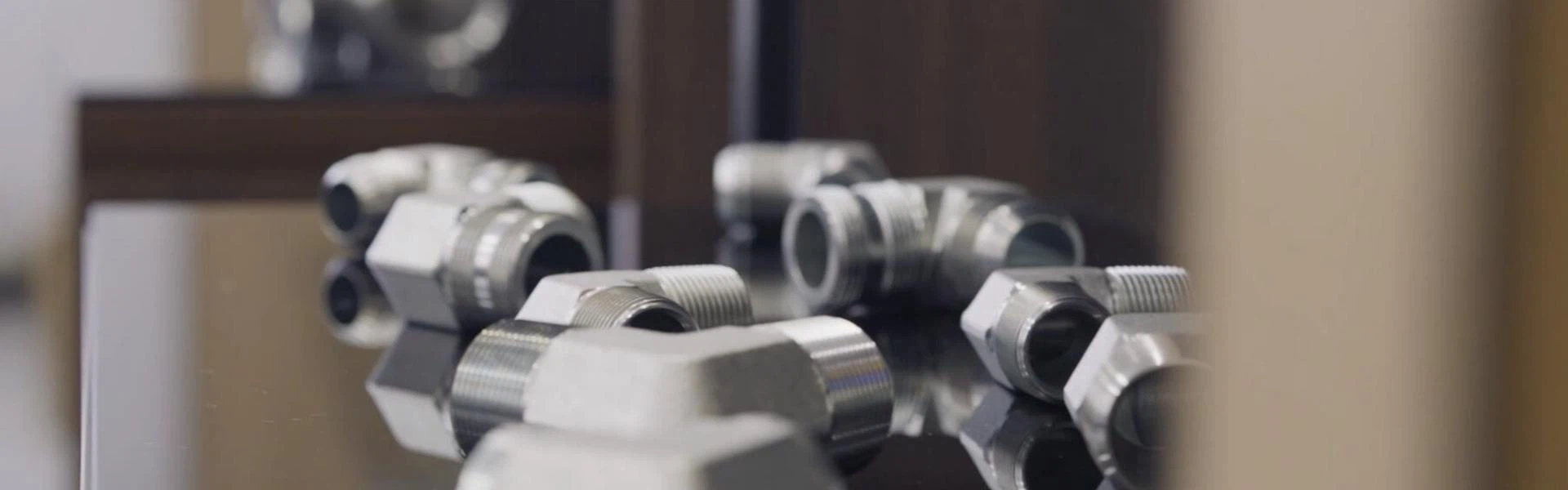
How To Measure Hydraulic Hose Fittings?
Jun 13, 2024
Hydraulic hose fittings are an integral part of hydraulic systems. They allow for the connection and disconnection of hydraulic hoses without the need for welding or brazing. As with any component of a hydraulic system, it is important to select the correct fitting and to ensure that it is properly measured to achieve optimum performance and prevent system failure.In this article, we will discuss how to measure hydraulic hose fittings to ensure they are the correct size and fit for the application.
Step 1: Identify the Fitting Type
The first step in measuring hydraulic hose fittings is to identify the fitting type. There are several types of fittings, including JIC, SAE, NPT, and BSP, each with its own unique thread pattern and measurement system. Once the fitting type is identified, you can proceed to the next step.
Step 2: Measure the Thread Diameter
The thread diameter is the most critical measurement when measuring hydraulic hose fittings. This measurement determines the size of the fitting and plays a significant role in ensuring a leak-free connection. To measure the thread diameter, you will need a caliper or micrometer. Use the caliper or micrometer to measure the outside diameter of the male fitting threads. For female fittings, measure the inside diameter of the fitting threads.
Step 3: Measure the Thread Pitch
The thread pitch is the distance between the threads of the fitting. This measurement is essential to ensure that the fitting will properly engage with the mating component. To measure the thread pitch, count the number of threads per inch (TPI) or measure the distance between two adjacent threads and divide by the number of threads per inch. It is important to note that different fitting types have different thread pitches, and it is crucial to match the fitting thread pitch to the mating component.
Step 4: Measure the Hose Diameter
The hose diameter is another critical measurement when measuring hydraulic hose fittings. This measurement ensures that the correct size fitting is selected for the hose. To measure the hose diameter, you will need a Vernier caliper or hose caliper. Slide the caliper jaws around the hose, making sure to measure the outside diameter of the hose.
Step 5: Verify the Angle
Hydraulic hose fittings are available in several angles, including 45, 60, and 90 degrees. It is important to verify the angle of the fitting to ensure it will work with the given application. Use a protractor or angle finder to measure the angle of the fitting.
Conclusion
Measuring hydraulic hose fittings is an essential step in ensuring that the correct fitting is selected for the application and preventing system failure. By following the steps outlined in this article, you can achieve a leak-free connection and optimize hydraulic system performance. Remember to always use the correct tools and techniques when measuring hydraulic hose fittings to ensure accuracy.


