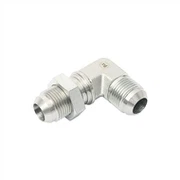
Understanding BSP, BSPT, And NPT Threads
Jan 22, 2025
Understanding BSP, BSPT, and NPT Threads
Threads like BSP, BSPT, and NPT play a crucial role in creating secure and reliable connections in various systems. You encounter these threads in plumbing, industrial machinery, and mechanical setups. Each thread type has unique characteristics that ensure proper sealing and compatibility. Understanding the bsp bspt difference and how they compare to NPT helps you make informed decisions. Choosing the correct thread type prevents leaks, enhances safety, and ensures system efficiency.
Key Takeaways
- BSP, BSPT, and NPT threads are essential for creating secure connections in plumbing and industrial systems, each with unique characteristics.
- BSP threads are commonly used in Europe and Asia, featuring a 55-degree angle and rounded peaks, while NPT threads, used in North America, have a 60-degree angle and flattened peaks.
- Understanding the differences between BSPT (tapered) and BSPP (parallel) threads is crucial for ensuring proper sealing in high-pressure applications.
- Always verify the thread type before installation to prevent leaks and system failures; mismatched threads can lead to significant safety hazards.
- Using adapters can help connect incompatible thread types, but ensure they meet the specifications of your system for a secure and leak-free connection.
- Measuring thread pitch and diameter accurately is vital for identifying the correct thread type; tools like thread pitch gauges and calipers are essential for this task.
- Consult manufacturer specifications and seek professional advice when dealing with complex systems to ensure compatibility and safety.
What Are BSP, BSPT, and NPT Threads?

Understanding the different types of threads is essential for ensuring proper connections in various systems. BSP, BSPT, and NPT threads each have unique features that make them suitable for specific applications. Let's explore their definitions, characteristics, and uses.
BSP Threads
Definition and key characteristics
BSP stands for British Standard Pipe. These threads are widely used in plumbing and mechanical systems. BSP threads have a 55-degree thread angle with rounded peaks and valleys, which helps create a secure fit. They come in two main types: BSPP (parallel threads) and BSPT (tapered threads). BSPP threads maintain a consistent diameter along their length, while BSPT threads taper slightly to enhance sealing.
Common applications and regions of use
You will find BSP threads commonly used in Europe, Asia, and Australia. They are prevalent in water, gas, and hydraulic systems. BSP threads are ideal for applications requiring reliable sealing without the need for additional materials like thread tape. Their design ensures compatibility with fittings in regions where BSP standards dominate.
BSPT Threads
Definition and how it differs from BSP
BSPT threads, or British Standard Pipe Tapered threads, are a subset of BSP threads. Unlike BSPP threads, BSPT threads taper along their length. This tapering allows the threads to tighten as they are screwed together, creating a more secure and leak-resistant connection. The bsp bspt difference lies in this tapering feature, which makes BSPT threads better suited for high-pressure applications.
Applications requiring tapered threads
You will often encounter BSPT threads in systems that handle pressurized fluids or gases. Industries like oil and gas, manufacturing, and hydraulics rely on BSPT threads for their ability to form tight seals. These threads are particularly useful when you need a connection that can withstand significant pressure without leaking.
NPT Threads
Definition and key characteristics
NPT, or National Pipe Thread, is a standard used primarily in the United States. These threads have a 60-degree angle with flattened peaks and valleys. Like BSPT threads, NPT threads are tapered, which helps create a tight seal. However, the thread profile and angle differ from BSP threads, making them incompatible without adapters.
Common applications and regions of use
NPT threads are most commonly used in North America. You will find them in plumbing, gas lines, and industrial equipment. Their tapered design ensures a strong seal, especially when combined with thread sealant or tape. NPT threads are the go-to choice for many industries in regions where American standards are followed.
BSP BSPT Difference and Comparison with NPT Threads
Thread Profiles
Shape and angle of threads
The shape and angle of threads play a critical role in determining compatibility and sealing efficiency. BSP threads feature a 55-degree angle with rounded peaks and valleys. This design ensures a snug fit, especially in systems requiring reliable sealing. In contrast, NPT threads have a 60-degree angle with flattened peaks and valleys. This difference in thread profile makes BSP and NPT threads incompatible without adapters.
The tapering in BSPT threads further distinguishes them from BSPP threads, which are parallel. The bsp bspt difference becomes evident when you compare their profiles. BSPT threads taper gradually, allowing them to tighten as they are screwed together. This tapering enhances sealing under pressure, making BSPT threads suitable for high-pressure applications.
Standards governing each type
Each thread type adheres to specific standards that ensure consistency and reliability. BSP threads follow the British Standard Pipe specifications, which are widely recognized in Europe and other regions. NPT threads comply with the American National Standard Taper Pipe Thread standards (ANSI/ASME B1.20.1). These standards define the thread angle, pitch, and dimensions, ensuring uniformity across industries. Understanding these standards helps you select the correct thread type for your application.
Tapering vs. Parallel Threads
Explanation of tapering in BSPT and NPT
Tapering is a key feature in both BSPT and NPT threads. It refers to the gradual narrowing of the thread diameter along its length. This design allows the threads to compress tightly as they are screwed together, creating a leak-resistant seal. BSPT threads use a 55-degree angle, while NPT threads use a 60-degree angle. Despite their similarities, the differences in angle and thread profile make them incompatible without proper adapters.
Tapered threads excel in applications where pressure sealing is critical. For example, industries like oil and gas often rely on BSPT and NPT threads for their ability to withstand high-pressure environments. The bsp bspt difference lies in the thread angle and regional standards, which influence their
usage.
Parallel threads in BSP
Parallel threads, also known as BSPP threads, maintain a consistent diameter along their length. Unlike tapered threads, they do not tighten as they are screwed together. Instead, they rely on additional sealing methods, such as O-rings or washers, to prevent leaks. BSPP threads are common in low-pressure systems where precise alignment is necessary. Their design ensures compatibility with fittings that require a straight thread profile.
Regional Standards and Usage
Where each thread type is commonly used
The choice of thread type often depends on regional preferences and standards. BSP threads dominate in Europe, Asia, and Australia. These regions use BSPP and BSPT threads extensively in plumbing, hydraulic, and gas systems. NPT threads, on the other hand, are the standard in North America. You will find them in industrial equipment, gas lines, and water systems across the United States and Canada.
Understanding regional standards helps you avoid compatibility issues. For instance, using NPT threads in a system designed for BSP threads can
lead to leaks and operational failures.
Industry-specific preferences
Different industries have specific preferences based on their operational needs. The oil and gas industry often uses BSPT and NPT threads due to their ability to handle high-pressure environments. Plumbing systems in Europe and Asia typically rely on BSPP threads for their ease of installation and reliable sealing. In contrast, industries in North America favor NPT threads for their compatibility with local standards.
Selecting the right thread type requires you to consider both regional and industry-specific requirements. This ensures a secure and efficient connection, reducing the risk of leaks and system failures.
Compatibility Between BSP, BSPT, and NPT Threads
Can BSP and NPT Threads Be Used Together?
Challenges with thread angles and sealing
Using BSP and NPT threads together often leads to challenges. The primary issue lies in the differences in thread angles and profiles. BSP threads have a 55-degree angle with rounded peaks and valleys, while NPT threads use a 60-degree angle with flattened peaks and valleys. These differences prevent the threads from aligning properly, which compromises the seal. Even if the threads seem to fit initially, gaps may form under pressure, causing leaks.
The tapering in NPT threads adds another layer of complexity. While BSPT threads also taper, their angle and profile differ from NPT. This mismatch makes it difficult to achieve a secure connection without additional tools or materials. Attempting to force these threads together can damage the fittings, making them unusable.
Risks of mismatched threads
Mismatched threads pose significant risks to your system. A poor seal can lead to fluid or gas leaks, which may result in safety hazards or equipment failure. In high-pressure systems, these leaks can escalate into dangerous situations. Additionally, using incompatible threads can weaken the connection over time, increasing the likelihood of system breakdowns.
You may also face financial consequences. Damaged fittings and leaks often require costly repairs or replacements. To avoid these risks, always verify the thread type before attempting to connect BSP and NPT fittings. Understanding the bsp bspt difference and how it compares to NPT threads can help you make informed decisions.
Adapting Between Thread Types
Use of adapters and conversion fittings
Adapters and conversion fittings provide a practical solution for connecting BSP, BSPT, and NPT threads. These tools bridge the gap between incompatible thread types, ensuring a secure and leak-free connection. Adapters are designed to match the thread profiles and angles of both fittings, allowing them to work together seamlessly.
When selecting an adapter, ensure it meets the specifications of your system. Consider factors like pressure ratings, material compatibility, and thread size. High-quality adapters reduce the risk of leaks and maintain the integrity of your connection. Always follow the manufacturer's guidelines when installing adapters to achieve the best results.
Tips for ensuring a secure and leak-free connection
To ensure a reliable connection, follow these tips:
- Inspect the threads: Check for damage or wear on both fittings before installation. Damaged threads can compromise the seal, even with an adapter.
- Use thread sealant: Apply thread tape or liquid sealant to tapered threads. This enhances the seal and prevents leaks under pressure.
- Tighten carefully: Avoid over-tightening, as this can strip the threads or damage the fittings. Use the appropriate tools and follow the recommended torque specifications.
- Test the connection: After installation, test the system for leaks. Monitor the connection under operating conditions to ensure it remains secure.
By taking these steps, you can adapt between thread types effectively. Proper preparation and the right tools minimize risks and ensure a durable connection.
How to Identify Thread Types
Understanding how to identify thread types is crucial for ensuring compatibility and avoiding costly mistakes. By learning to measure thread pitch, determine thread diameter, and recognize tapered versus parallel threads, you can confidently select the correct fittings for your system.
Measuring Thread Pitch
Tools and techniques for accurate measurement
To measure thread pitch accurately, you need the right tools. A thread pitch gauge is the most reliable tool for this task. It helps you measure the distance between the threads, ensuring precision. You can also use calipers for additional measurements, such as thread depth or spacing.
Follow these steps to measure thread pitch:
- Clean the threads to remove dirt or debris.
- Align the thread pitch gauge with the threads.
- Check for a perfect match between the gauge and the thread profile.
If you don't have a thread pitch gauge, you can use a ruler. Measure the distance between two adjacent threads and convert it into threads per inch (TPI) or millimeters, depending on the standard.
Common thread pitch values for BSP, BSPT, and NPT
Each thread type has specific pitch values. BSP and BSPT threads typically use metric measurements, while NPT threads follow imperial standards. Here are some common thread pitch values:
- BSP/BSPT Threads: 0.907 mm (28 TPI) for 1/8" size, 1.814 mm (14 TPI) for 1/2" size.
- NPT Threads: 27 TPI for 1/8" size, 14 TPI for 1/2" size.
Knowing these values helps you quickly identify the thread type. Always double-check your measurements to avoid errors.
Determining Thread Diameter
Internal vs. external thread measurements
Thread diameter plays a key role in identifying thread types. You can measure either internal or external threads, depending on the fitting. For internal threads, use calipers to measure the inside diameter of the threaded hole. For external threads, measure the outside diameter of the threaded fitting.
Here's how to measure thread diameter:
- Place the calipers across the widest part of the thread.
- Record the measurement in millimeters or inches.
- Compare the measurement to standard thread charts.
Accurate measurements ensure you select the correct fitting size. Avoid estimating, as even small errors can lead to compatibility issues.
Standards for thread diameters
Thread diameters follow specific standards based on the thread type. BSP and BSPT threads use the British Standard Pipe system, while NPT threads adhere to the American National Standard. These standards define the nominal sizes and tolerances for each thread type.
For example:
- BSP/BSPT Threads: A 1/2" BSP thread has an external diameter of approximately 20.955 mm.
- NPT Threads: A 1/2" NPT thread has an external diameter of approximately 21.336 mm.
Familiarizing yourself with these standards helps you identify threads more efficiently. Keep a reference chart handy for quick comparisons.
Recognizing Tapered vs. Parallel Threads
Visual and tactile identification methods
You can identify tapered and parallel threads using visual and tactile methods. Tapered threads, like BSPT and NPT, gradually decrease in diameter along their length. Parallel threads, such as BSPP, maintain a consistent diameter.
To identify tapered threads:
- Look for a noticeable narrowing of the thread profile.
- Run your fingers along the threads to feel the taper.
For parallel threads:
- Observe the uniform diameter from end to end.
- Feel for a consistent thread profile without narrowing.
These simple techniques help you distinguish between tapered and parallel threads without specialized tools.
Practical examples for comparison
Let's compare tapered and parallel threads in practical scenarios:
- Tapered Threads (BSPT/NPT): Commonly used in high-pressure systems like gas lines. The tapering ensures a tight seal when the threads are screwed together.
- Parallel Threads (BSPP): Often found in low-pressure systems like water pipes. They rely on O-rings or washers for sealing.
By understanding these differences, you can choose the right thread type for your application. Always inspect the threads carefully to confirm their profile before making a connection.
Selecting the Right Thread Type for Your Application
Factors to Consider
Application requirements (e.g., pressure, sealing)
When choosing a thread type, you must first evaluate the specific requirements of your application. Consider the pressure levels your system will handle. High-pressure systems often demand tapered threads like BSPT or NPT because they create a tighter seal. For low-pressure systems, parallel threads such as BSPP may suffice, especially when combined with O-rings or washers.
Sealing requirements also play a critical role. Tapered threads naturally provide better sealing due to their design. However, if your system relies on external sealing components, parallel threads might be more appropriate. Always match the thread type to the operational demands of your system to ensure safety and efficiency.
Regional and industry standards
Regional and industry standards heavily influence thread selection. In Europe, Asia, and Australia, BSP threads dominate. These regions use BSPP and BSPT threads extensively in plumbing, gas, and hydraulic systems. In contrast, NPT threads are the standard in North America, where they are commonly found in industrial equipment and water systems.
Industry-specific preferences also matter. For example, the oil and gas sector often uses BSPT and NPT threads due to their ability to withstand high-pressure environments. Plumbing systems in Europe typically favor BSPP threads for their ease of installation. Understanding these standards ensures compatibility and prevents costly errors.
Practical Tips for Decision-Making
Consulting manufacturer specifications
Manufacturer specifications provide valuable guidance when selecting a thread type. These documents outline the recommended thread standards for specific fittings and systems. Always review the technical details provided by the manufacturer. Look for information on thread type, size, and pressure ratings.
If you're unsure about the specifications, contact the manufacturer directly. They can clarify any doubts and help you make an informed decision. Following these guidelines ensures that your chosen thread type meets the system's requirements.
When to seek professional advice
In complex or high-stakes applications, seeking professional advice becomes essential. If your system involves high-pressure fluids, hazardous materials, or intricate configurations, consult an expert. Professionals can assess your system's needs and recommend the most suitable thread type.
You should also seek advice if you encounter compatibility issues. For example, connecting BSP and NPT threads often requires specialized adapters. An expert can guide you through the process, ensuring a secure and leak-free connection. Prioritizing professional input minimizes risks and enhances the reliability of your system.
Understanding the differences between BSP, BSPT, and NPT threads is essential for creating secure and efficient connections. Each thread type has unique characteristics, such as thread angle and tapering, which determine its compatibility and application. Proper identification ensures you avoid mismatched fittings and potential leaks.
Always verify the thread type before purchasing or installing fittings. Use tools like thread gauges and consult manufacturer specifications to confirm compatibility. By taking these steps, you can ensure a reliable connection, reduce risks, and maintain the integrity of your system.
FAQ
What is the main difference between BSP, BSPT, and NPT threads?
The primary difference lies in their thread angles, profiles, and standards. BSP threads have a 55-degree angle with rounded peaks and valleys, while NPT threads use a 60-degree angle with flattened peaks and valleys. BSPT threads are tapered, like NPT, but follow the British Standard Pipe specifications. These differences make them incompatible without adapters.
Can you use BSP and NPT threads together?
No, you cannot directly use BSP and NPT threads together. Their thread angles, profiles, and tapering differ, which prevents proper alignment and sealing. Attempting to connect them without an adapter can lead to leaks or damage to the fittings.
How do you identify if a thread is tapered or parallel?
You can identify tapered threads by observing a gradual decrease in diameter along their length. Run your fingers along the threads to feel the taper. Parallel threads maintain a consistent diameter from end to end. Visual inspection and tactile methods help you distinguish between the two.
What tools do you need to measure thread pitch?
A thread pitch gauge is the most reliable tool for measuring thread pitch. It helps you determine the distance between threads accurately. You can also use calipers for additional measurements, such as thread depth or spacing. If you lack these tools, a ruler can provide a basic measurement.
Why is thread compatibility important?
Thread compatibility ensures a secure and leak-free connection. Mismatched threads can lead to gaps, causing leaks or system failures. In high-pressure systems, this can result in safety hazards or costly repairs. Always verify thread type before installation to avoid these risks.
Where are BSP threads commonly used?
BSP threads are widely used in Europe, Asia, and Australia. You will find them in plumbing, gas, and hydraulic systems. Their design ensures reliable sealing, making them ideal for applications in regions where British Standard Pipe specifications dominate.
What are the common applications of NPT threads?
NPT threads are primarily used in North America. They are common in plumbing, gas lines, and industrial equipment. Their tapered design provides a strong seal, especially when combined with thread sealant or tape.
How do adapters help with thread compatibility?
Adapters bridge the gap between incompatible thread types, such as BSP and NPT. They match the thread profiles and angles of both fittings, ensuring a secure connection. Using high-quality adapters reduces the risk of leaks and maintains system integrity.
What should you consider when selecting a thread type?
Consider the application requirements, such as pressure levels and sealing needs. High-pressure systems often require tapered threads like BSPT or NPT. Regional and industry standards also play a role. For example, BSP threads dominate in Europe, while NPT threads are standard in North America.
How can you avoid mismatched threads?
To avoid mismatched threads, always verify the thread type before purchasing or installing fittings. Use tools like thread gauges to measure thread pitch and diameter. Consult manufacturer specifications to confirm compatibility. Taking these steps ensures a secure and efficient connection.