Understanding Hydraulic Adapter Fittings And Their Threads
Nov 10, 2025

Adapter hydraulic fittings connect different components in hydraulic systems, ensuring fluid flows efficiently. These fittings play a critical role in maintaining system performance. Thread compatibility is essential for creating secure, leak-free connections. Without proper matching, you risk system failure, reduced efficiency, or costly repairs. Always check threads carefully to avoid issues.
Key Takeaways
Hydraulic adapter fittings join parts in hydraulic systems. They help fluids flow smoothly and stop leaks.
Always make sure threads match before installing. Wrong threads can cause problems and expensive fixes.
Picking the right fitting material is very important. Think about pressure and surroundings to make sure it lasts.
What Are Adapter Hydraulic Fittings?
Definition and Purpose
Adapter hydraulic fittings are essential components in hydraulic systems. They connect hoses, tubes, or pipes to ensure fluid flows smoothly between different parts. These fittings allow you to join components with varying thread types or sizes, making them versatile and practical. Their primary purpose is to create a secure and leak-free connection, which is critical for maintaining system efficiency and safety. Without them, it would be challenging to build or repair hydraulic systems effectively.
Key Components
Every adapter hydraulic fitting consists of specific parts that contribute to its functionality. The body forms the main structure and determines the fitting's shape, such as straight, elbow, or tee. Threads are another vital component, as they enable the fitting to connect securely to other parts. Sealing mechanisms, like O-rings or compression seals, prevent leaks and ensure a tight fit. Each part works together to provide a reliable connection in high-pressure environments.
Common Applications
You will find adapter hydraulic fittings in various industries. Construction equipment, such as excavators and bulldozers, relies on these fittings to power hydraulic systems. Manufacturing plants use them in machinery to control fluid movement. They are also common in agricultural equipment, like tractors, and in automotive systems, including brakes and power steering. Their adaptability makes them indispensable in any system requiring fluid transfer under pressure.
Types of Adapter Hydraulic Fittings

Straight, Elbow, and Tee Adapters
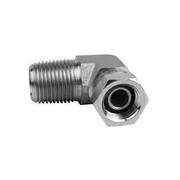
You will encounter three common shapes of adapter hydraulic fittings: straight, elbow, and tee. Straight adapters connect two components in a linear path, making them ideal for systems with limited space or simple layouts. Elbow adapters, on the other hand, allow you to change the direction of fluid flow by 45 or 90 degrees. These are perfect for tight spaces where hoses or pipes need to bend. Tee adapters split the fluid flow into two directions, enabling you to connect multiple components to a single source. Each type serves a specific purpose, so understanding your system's layout helps you choose the right one.
Male vs. Female Fittings
Hydraulic fittings come in male and female designs. Male fittings have external threads, while female fittings have internal threads. When connecting components, you must pair a male fitting with a female one to create a secure connection. This pairing ensures the threads interlock properly, preventing leaks. Always check the thread type and size to ensure compatibility. Using mismatched fittings can lead to system inefficiencies or damage.
Specialty Fittings
Specialty fittings address unique challenges in hydraulic systems. For example, swivel adapters allow hoses to rotate without twisting, reducing wear and tear. Bulkhead fittings help you pass hoses through walls or panels securely. Some specialty fittings are designed for high-pressure systems or specific fluids. These fittings expand the versatility of hydraulic systems, enabling you to tackle complex setups with ease.
Thread Compatibility in Hydraulic Systems

Common Thread Types (NPT, BSP, JIC, ORFS)
Understanding thread types is essential when working with hydraulic systems. Four common thread types dominate the industry:
NPT (National Pipe Thread): This thread type is widely used in North America. It features a tapered design that creates a tight seal as the threads are tightened.
BSP (British Standard Pipe): Common in Europe and Asia, BSP threads come in two forms-parallel and tapered. They rely on sealing rings or washers for leak prevention.
JIC (Joint Industry Council): JIC threads are popular for their 37-degree flare design, which ensures a strong seal in high-pressure systems.
ORFS (O-Ring Face Seal): These threads use an O-ring to create a leak-proof connection, making them ideal for systems requiring high reliability.
Each thread type serves specific applications, so knowing their characteristics helps you choose the right one.
Identifying Thread Types
You can identify thread types by examining their shape, pitch, and diameter. Use a thread gauge to measure the pitch and count the threads per inch. Check if the threads are tapered or parallel. For example, NPT threads taper, while BSP threads can be either parallel or tapered. Always refer to manufacturer specifications for accurate identification.
Tip: Keep a thread identification kit handy. It simplifies the process and ensures you match threads correctly.
Matching Threads for Leak Prevention
Matching threads is crucial for preventing leaks in hydraulic systems. Mismatched threads can lead to poor connections, causing fluid loss or system failure. Always pair male and female threads of the same type and size. For example, use a JIC male fitting with a JIC female fitting. Properly matched threads ensure your adapter hydraulic fittings perform efficiently and maintain a leak-free connection.
Material Selection and Standards
Common Materials (Steel, Stainless Steel, Brass)
When choosing materials for adapter hydraulic fittings, you will often encounter steel, stainless steel, and brass. Steel is a popular choice due to its strength and durability. It performs well in high-pressure systems and can handle extreme conditions. Stainless steel offers excellent corrosion resistance, making it ideal for environments exposed to moisture or chemicals. Brass, on the other hand, is softer and easier to work with. It resists corrosion and is commonly used in low-pressure systems or applications involving water. Each material has unique properties that suit specific hydraulic needs.
Factors for Material Selection
Selecting the right material depends on several factors. First, consider the operating pressure of your hydraulic system. High-pressure systems require stronger materials like steel or stainless steel. Next, think about the environment. Corrosive settings demand materials with high resistance, such as stainless steel or brass. Also, evaluate the type of fluid used. Some fluids may react with certain materials, so compatibility is crucial. Finally, factor in cost. While stainless steel offers superior performance, it is more expensive than steel or brass.
International Standards (ISO, SAE, DIN)
International standards ensure the quality and compatibility of adapter hydraulic fittings. The ISO (International Organization for Standardization) sets global benchmarks for performance and safety. SAE (Society of Automotive Engineers) standards are widely used in North America, focusing on automotive and industrial applications. DIN (Deutsches Institut für Normung) standards are common in Europe, emphasizing precision and reliability. Familiarizing yourself with these standards helps you select fittings that meet your system's requirements.
Selecting the Right Adapter Hydraulic Fitting
Assessing System Requirements
Choosing the right adapter hydraulic fittings starts with understanding your system's needs. Begin by evaluating the operating pressure. High-pressure systems demand fittings made from durable materials like steel or stainless steel. Next, consider the type of fluid used. Some fluids, such as hydraulic oil, require fittings with specific sealing mechanisms to prevent leaks. Measure the dimensions of hoses, pipes, or tubes to ensure proper fit. Also, check the environmental conditions. Corrosive environments call for fittings with high resistance, such as stainless steel. By assessing these factors, you can narrow down your options and select fittings that match your system's requirements.
Ensuring Thread Compatibility
Thread compatibility is critical for leak-free connections. Start by identifying the thread type on your existing components. Use tools like thread gauges or identification kits to measure pitch and diameter. Match male threads with female threads of the same type and size. For example, pair NPT threads with NPT fittings. Avoid mixing thread types, as this can lead to poor connections and system inefficiencies. Always double-check manufacturer specifications to confirm compatibility. Properly matched threads ensure your hydraulic system operates efficiently and safely.
Installation and Maintenance Tips
Installing adapter hydraulic fittings correctly prevents future issues. Begin by cleaning the threads and sealing surfaces to remove dirt or debris. Apply thread sealant or tape if required, but avoid over-tightening, as this can damage the threads. During installation, align the fittings carefully to prevent cross-threading. Regular maintenance is equally important. Inspect fittings for signs of wear, corrosion, or leaks. Replace damaged components promptly to avoid system failure. By following these tips, you can extend the lifespan of your fittings and maintain optimal system performance.
Tip: Keep a maintenance checklist handy to track inspections and replacements.
Understanding adapter hydraulic fittings and thread compatibility is essential for maintaining efficient hydraulic systems. Proper selection and installation offer several benefits:
Improved system performance: Leak-free connections ensure smooth fluid flow.
Enhanced safety: Reliable fittings reduce the risk of accidents.
Cost savings: Preventing leaks minimizes repair expenses.
Remember: Choosing the right fittings and threads keeps your system running smoothly and safely.
FAQ
What is the most common thread type for hydraulic fittings?
NPT threads are widely used in North America. Their tapered design ensures a tight seal, making them a popular choice for hydraulic systems.
How can you identify a thread type?
Use a thread gauge to measure pitch and count threads per inch. Check if the threads are tapered or parallel. Refer to manufacturer specifications for accuracy.
Tip: Keep a thread identification kit handy for quick and precise measurements.
Why is material selection important for hydraulic fittings?
Material affects durability, corrosion resistance, and compatibility with fluids. For example, stainless steel resists corrosion, while steel handles high pressure. Choose based on your system's needs.