

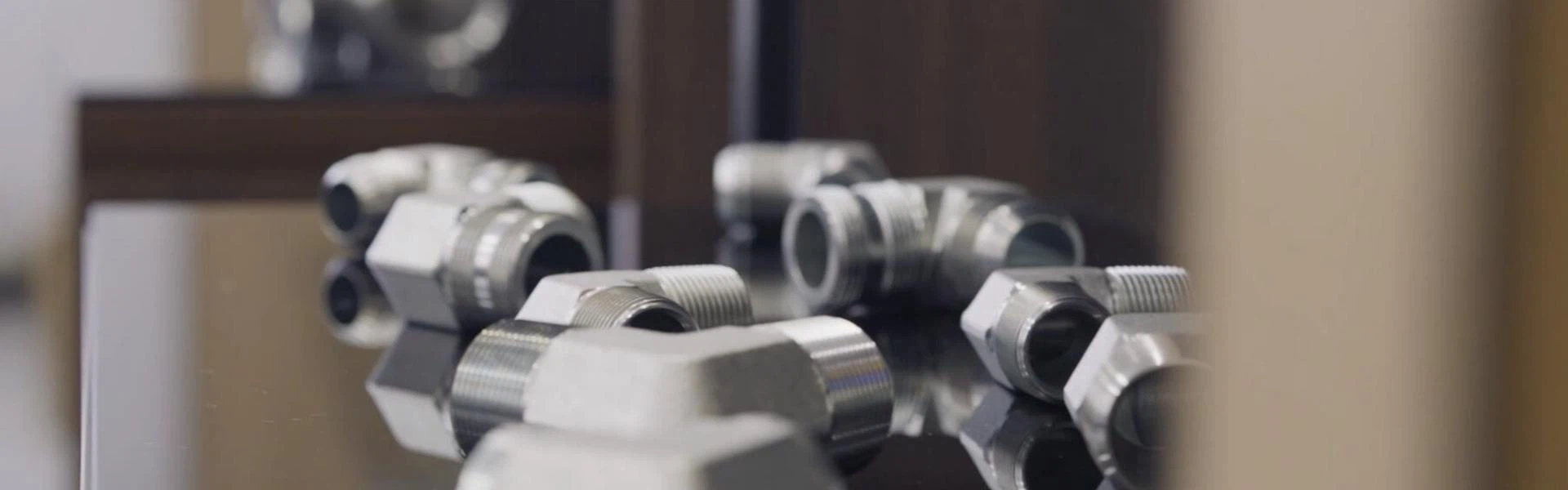
The Best Stainless Steel Hose Fittings For Hydraulic Systems
Jan 26, 2026
Hydraulic systems demand components that can endure tough conditions. Steel hose fittings provide the durability and strength you need. These fittings resist extreme temperatures and pressures, ensuring reliable performance. By selecting the right fittings, you enhance safety and efficiency while extending the lifespan of your hydraulic system.

Key Takeaways
Pick strong stainless steel fittings for lasting use and strength. This lowers repair costs and makes the system work better.
Make sure fittings handle your system's pressure and heat levels. This keeps it safe, works well, and stops leaks or breaks.
Confirm they fit with your current parts before buying. A good fit avoids mistakes and keeps your system tightly connected.
What Are Stainless Steel Hose Fittings?
Definition and Purpose of Hose Fittings
Hose fittings connect hydraulic hoses to other components in a system, such as pumps, valves, or cylinders. These fittings create a secure and leak-free connection, ensuring fluid flows efficiently through the system. Without proper fittings, hydraulic systems would fail to operate safely or effectively. You rely on these components to maintain pressure and prevent leaks, which are critical for system performance.
Why Stainless Steel Is Ideal for Hydraulic Systems
Stainless steel offers unmatched durability and resistance to harsh conditions. It withstands high pressures and extreme temperatures, making it perfect for demanding hydraulic applications. Unlike other materials, stainless steel resists corrosion caused by moisture, chemicals, or saltwater. This ensures your fittings last longer and require less maintenance. By choosing steel hose fittings, you gain reliability and peace of mind, even in the toughest environments.
Common Applications in Hydraulic Systems
You'll find stainless steel hose fittings in industries like construction, agriculture, and manufacturing. They are essential in heavy machinery, where hydraulic systems power equipment like excavators or tractors. These fittings also play a key role in marine and offshore applications, where exposure to saltwater demands corrosion-resistant materials. Whether you're working with industrial machinery or marine equipment, steel hose fittings provide the strength and reliability you need.
Key Features to Consider When Choosing Steel Hose Fittings
Material Quality and Durability
When selecting steel hose fittings, prioritize material quality. High-grade stainless steel ensures durability and long-term performance. It resists wear and tear caused by constant use in hydraulic systems. You should look for fittings made from premium stainless steel alloys, such as AISI 316, which offer enhanced strength and corrosion resistance. Durable fittings reduce the risk of system failures and minimize maintenance costs.
Pressure and Temperature Ratings
Hydraulic systems operate under varying pressures and temperatures. Choose fittings designed to handle the specific conditions of your system. Check the pressure rating to ensure the fitting can withstand the maximum pressure without leaking or breaking. Similarly, verify the temperature rating to confirm the fitting performs well in extreme heat or cold. Matching these ratings to your system's requirements guarantees safe and efficient operation.
Corrosion Resistance and Environmental Factors
Corrosion can compromise the integrity of your hydraulic system. Stainless steel hose fittings excel in resisting corrosion caused by moisture, chemicals, or saltwater. If your system operates in harsh environments, such as marine or industrial settings, prioritize fittings with superior corrosion resistance. This feature extends the lifespan of your fittings and ensures reliable performance in challenging conditions.
Compatibility with Hydraulic Hoses and Systems
Not all fittings work with every hydraulic hose or system. Ensure the fittings you choose are compatible with your hoses and other components. Check the size, thread type, and connection style to avoid mismatches. Proper compatibility prevents leaks and ensures a secure connection, allowing your hydraulic system to function optimally.
Top 10 Stainless Steel Hose Fittings for Hydraulic Systems

O-Ring Face Seal Fittings - Leak Prevention and High-Pressure Applications
O-Ring Face Seal (ORFS) fittings provide a reliable solution for preventing leaks in hydraulic systems. These fittings use an O-ring to create a tight seal, even under high pressure. You can rely on them for applications where safety and efficiency are critical. Their design minimizes the risk of fluid loss, making them ideal for industries like aerospace and manufacturing.
JIC Fittings - Versatility and Easy Installation
JIC (Joint Industry Council) fittings are known for their versatility. They feature a 37-degree flare design, which ensures a secure connection. You can easily install or remove these fittings without specialized tools. This makes them a popular choice for systems requiring frequent maintenance or adjustments.
Series 43 Crimp Fittings - High-Pressure Resistance and Secure Connections
Series 43 crimp fittings offer exceptional resistance to high pressure. These fittings use a crimping process to create a strong and permanent connection with hydraulic hoses. You'll find them in heavy-duty applications, such as construction equipment, where durability is essential.
Hose Barbs - Simple and Reliable for Low-Pressure Systems
Hose barbs provide a straightforward solution for low-pressure hydraulic systems. Their ridged design ensures a secure grip on the hose, preventing slippage. You can use them in applications where simplicity and reliability are priorities, such as in agricultural equipment.
AISI 316 Stainless Steel Fittings - Corrosion Resistance and Durability
AISI 316 stainless steel fittings stand out for their superior corrosion resistance. These fittings perform well in harsh environments, including marine and chemical industries. Their durability ensures long-term performance, reducing the need for frequent replacements.
How to Choose the Right Stainless Steel Hose Fitting

Assessing System Requirements (Pressure, Temperature, and Flow)
Start by understanding the specific demands of your hydraulic system. Identify the maximum pressure your system operates under and choose fittings that can handle it without failure. Consider the temperature range as well. Some fittings perform better in extreme heat, while others excel in cold environments. Don't forget to evaluate the flow rate. A fitting that restricts flow can reduce system efficiency. Matching these requirements ensures your system operates safely and effectively.
Evaluating Compatibility with Existing Components
Check if the fittings you select are compatible with your hydraulic hoses and other components. Look at the size, thread type, and connection style. Mismatched fittings can lead to leaks or system malfunctions. Use manufacturer specifications to confirm compatibility. This step prevents costly errors and ensures a secure connection for your hydraulic system.
Balancing Quality and Budget Considerations
High-quality fittings often come with a higher price tag, but they offer better durability and performance. Evaluate your budget and prioritize fittings that provide the best value. Cheaper options might save money upfront but could lead to frequent replacements or system failures. Investing in reliable steel hose fittings reduces long-term costs and enhances system reliability.
Consulting with Manufacturers or Experts
When in doubt, seek advice from professionals. Manufacturers and hydraulic system experts can guide you in selecting the right fittings. They understand the technical details and can recommend options tailored to your needs. Consulting with experts ensures you make informed decisions and avoid potential issues.
Choosing the right stainless steel hose fittings plays a vital role in keeping your hydraulic system safe and efficient. High-quality fittings reduce the risk of leaks and failures, ensuring long-term reliability.
Tip: Review the top 10 options and key features discussed to find the best match for your system's needs.
Investing in durable fittings saves you time and money while boosting system performance.
FAQ
What makes stainless steel fittings better than other materials?
Stainless steel fittings resist corrosion, handle high pressure, and last longer. They outperform materials like brass or aluminum in harsh environments, ensuring reliability and durability.
How do I know if a fitting is compatible with my hydraulic system?
Check the size, thread type, and connection style. Refer to manufacturer specifications or consult an expert to ensure a proper match with your system.
Tip: Always double-check compatibility to avoid leaks or system failures.
Can I reuse stainless steel hose fittings?
Yes, reusable fittings are available. These fittings save costs and simplify maintenance. However, ensure they meet your system's pressure and temperature requirements before reusing.


