

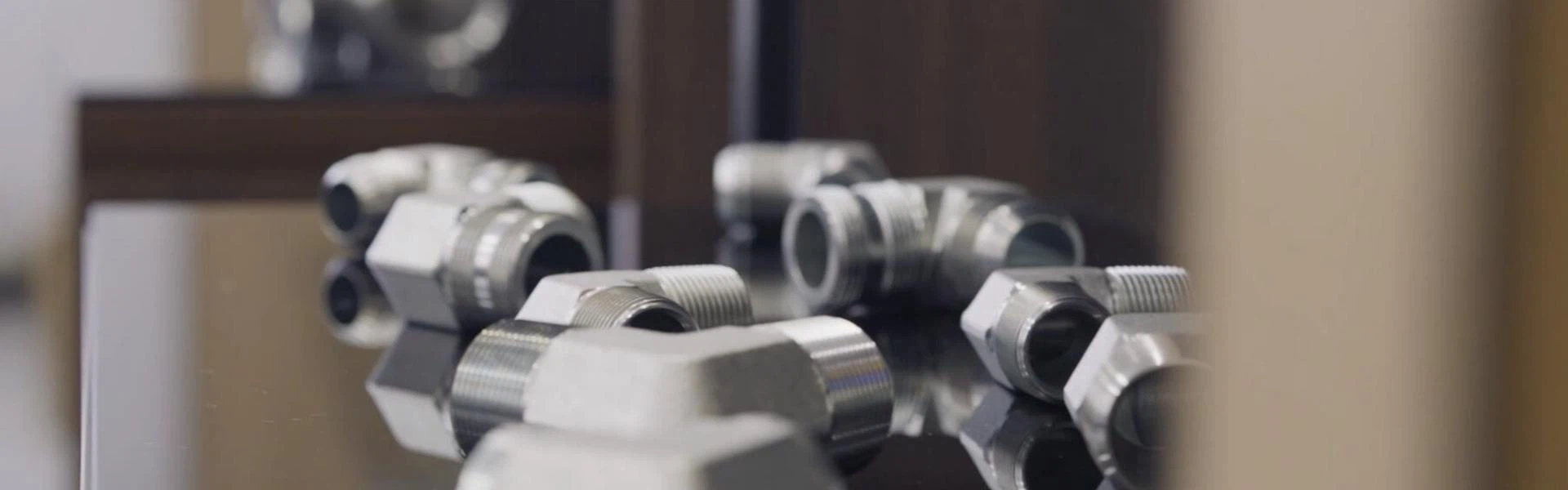
Corrosion resistance of transition joints
Jul 01, 2024
Transition joints play a crucial role in many industrial applications, especially in the chemical and petrochemical industries. Due to the presence of corrosive substances in these environments, the corrosion resistance of transition joints is a crucial factor that cannot be ignored.
The function and design of transition joints
The main purpose of transition joints is to connect pipes of different diameters, or to connect two different types of pipes, such as steel pipes and copper pipes. In order to ensure the stability and durability of the connection, the manufacturing material of transition joints is usually selected as metal materials with good strength and corrosion resistance, such as iron, nickel, copper, or titanium.
The importance of corrosion resistance layer in transition joints
When discussing the corrosion resistance of transition joints, the performance of the corrosion resistant layer has been mentioned multiple times. The presence of a corrosion-resistant layer is crucial for preventing corrosion of pipelines and their connections. Its main function is to provide a barrier to prevent corrosive media from directly contacting pipeline materials, thereby extending the service life of the pipeline. The thickness and chemical composition of the corrosion-resistant layer are crucial factors in the design of transition joints. If the transition layer welding layer is too thick, it may dilute the alloy elements of the corrosion resistant layer, making it unable to achieve the required corrosion resistance performance.
The practical application challenges of transition joints
Although the design and manufacturing of transition joints need to consider corrosion resistance, they still face challenges in practical applications. For example, in the application of steel plastic conversion joints, although polyethylene (PE) pipes themselves have good anti-corrosion performance, due to the poor anti-corrosion performance of the steel pipe end of the steel material, the anti-corrosion requirements for the joints are very high. Especially in humid underground environments or scenarios exposed to air, the anti-corrosion requirements for transition joints are higher.
The corrosion resistance of transition joints is crucial for ensuring the long-term stable operation of industrial systems. When designing and manufacturing transition joints, careful consideration must be given to the corrosiveness of the environment and appropriate materials and coatings must be selected to ensure corrosion resistance. In practical applications, regular inspection and maintenance are also important measures to ensure the corrosion resistance of transition joints.


